 Avoid Inspection Mistakes Crested Butte Homes
If you are a buyer – you want an inspection to understand what you are buying, and avoid buying a home that is in need of unknown major expenditures- avoid inspection mistakes Crested Butte homes. If you are a seller and the thought of an inspection makes you nervous – then you are in the right place and should read on…
The Inspection is a part of the process for a Buyer to purchase a home. The buyer hires and pays for the inspector(s). The seller shall allow reasonable access to the home and property by the buyer and/or inspectors and contractors the buyer hires to inspect the home. The end result is a report or reports that detail the condition of the home and the systems inside and out.
A typical home inspection will cost around $850 – $2,500 for a home depending on the size of the home. Real estate agents are not permitted to hire an inspector for the buyer. However, they can provide a list of recommended inspectors.
The Inspection
 The buyer wants peace of mind, and they are hoping that they will get the assurance that the home is in great shape. If not – they buyer will want to know what the issues and problems that may need attention.
An inspector WILL find some things wrong with every home, even if the home is brand new. Every home has moving parts, is exposed to weather, and all will have some sort of issues. Selling a home with zero issues is nearly impossible.
If you are the seller – you should be prepared that an inspector will find things (unless the seller has done a reverse inspection – and addressed all the issues…).
What May be Excluded in the Inspection?
The following is a list of things that most inspectors may not inspect or will recommend to be “evaluated by a specialist” – and may require separate contractors/service providers to inspect:
Roof – inspectors will typically not climb up on the roof, they may do a visual inspection from the ground. Typical: “One or more sections of metal roofing or roof flashing are damaged or deteriorated… and Roofing fasteners in one or more areas have loosened or backed out. Leaks may eventually occur as a result. A qualified roofing contractor could evaluate and replace sections of metal roofing and or flashing where necessary.”
Heating and Cooling Systems – This is typical language in the Inspection Report: “A qualified heating and cooling contractor should inspect, clean, and service this system, and make repairs if necessary.”
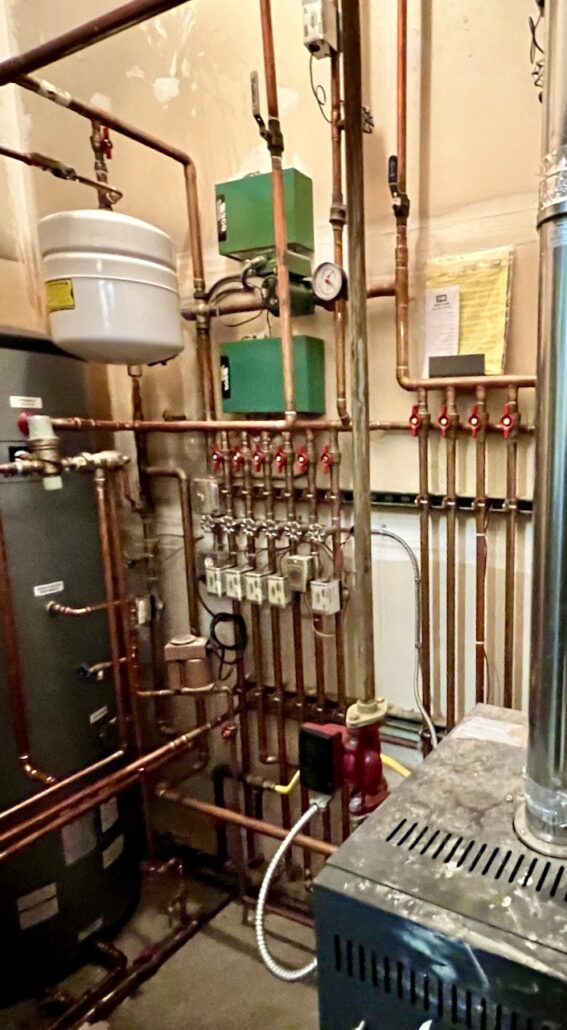
Boiler System for In-Floor Heat- “The inspector was unable to determine the last service date. The client(s) should ask the property owner(s) when it was last serviced. If unable to determine the last service date, or if this system was serviced more than one year ago, a qualified hydronic heating specialist should service this system and make repairs if necessary. This servicing should be performed annually in the future.”
Heat Loss Recovery Ventilation Systems – “components and controls. For information, service or repair contact a local specialist.
Water filtration and purification systems are installed in the home, these systems were not evaluated. Contact a local specialist for information, service and repair for these systems and components.
Security alarm systems – “Security alarm systems and components were not evaluated. Contact the local specialist for information, service and repair.”
Multi-Media or Audio Visual systems – “Multi media components were not evaluated. Contact a local specialist for information service or repair.”
Irrigation / Sprinkler System – “Irrigation systems were not evaluated. A qualified irrigation system specialist should start up, shut down, repair and maintain these systems and components as needed seasonally.”
Snow melt systems and controls – “These components were not evaluated. If necessary a qualified contractor could evaluate, service and make repairs.
A sump pump is installed on the premises. This may or may not indicate that water accumulates inside or below the structure. Recommend asking the property owners how often the sump pump operates and for how long at different times of the year.
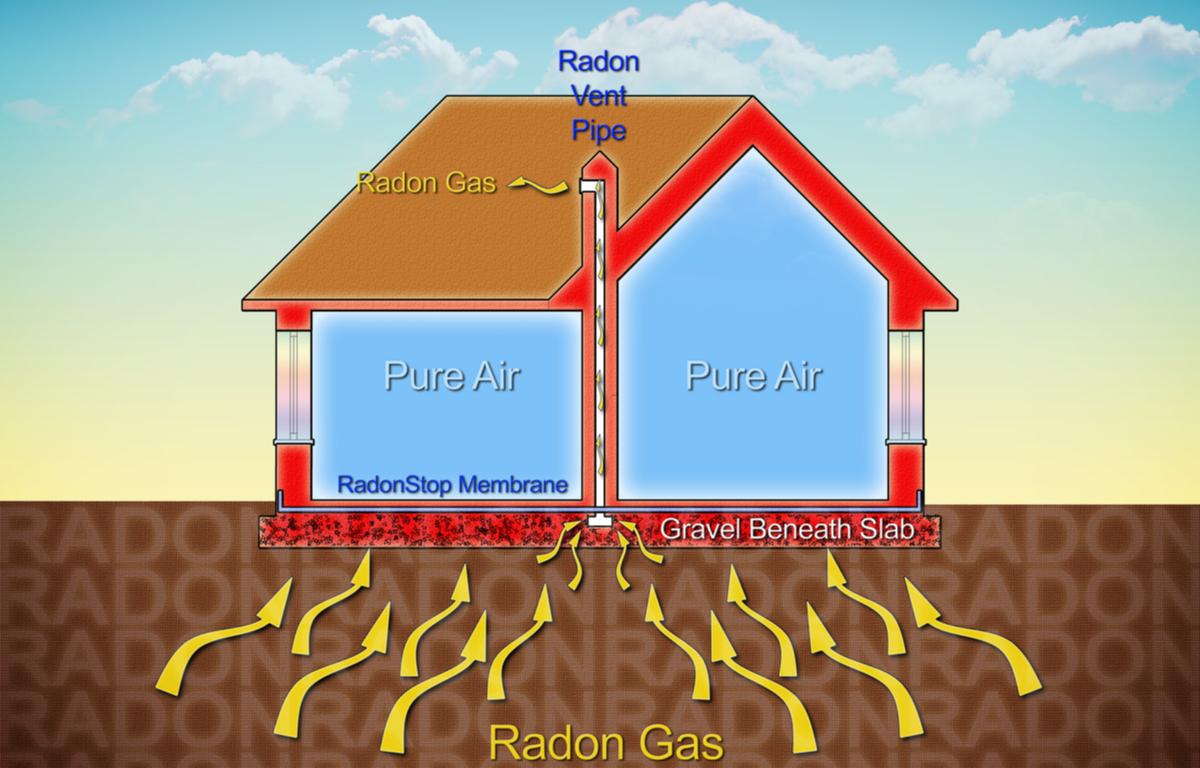
Radon – I always recommend clients ask the inspector about getting a radon test done. The EPA and the Surgeon General of the United States recommend radon gas testing for all houses.
Radon is a naturally occurring radioactive gas and comes from the natural breakdown (radioactive decay) of uranium. It is usually found in igneous rock and soil, but in some cases, well water may also be a source of radon. You cannot see, smell or taste radon, but it may be a problem in your home. Radon can cause lung cancer. Radon levels can be easily mitigated and reduced in most homes using a vapor barrier and ventilation options.
Typically the inspector will place canisters in the home for 48 hours and then send them to a lab for test results. There are also newer high tech radon testing devices that can be placed in the home for shorter amounts of time. If the results come back showing a reading above 4 pCi/L (picocuries per liter), this is considered high. Keep in mind that radon levels below 4 pCi/L can still pose some risk. Generally this is not a big cost item – local Crested Butte Radon remediation expense typically $7,500 or less.
Special Inspection Considerations for Inspecting Remote Homes
If your dream is to be in a quiet, remote location in the forest away from people and other houses, then you will most likely be buying or building a mountain home with septic system and private water well. It is very common for multi-million-dollar luxury homes in outlying mountain areas to have both a private water well and an individual septic system. Additional items and costs may be necessary for inspecting homes in remote areas or raw land.
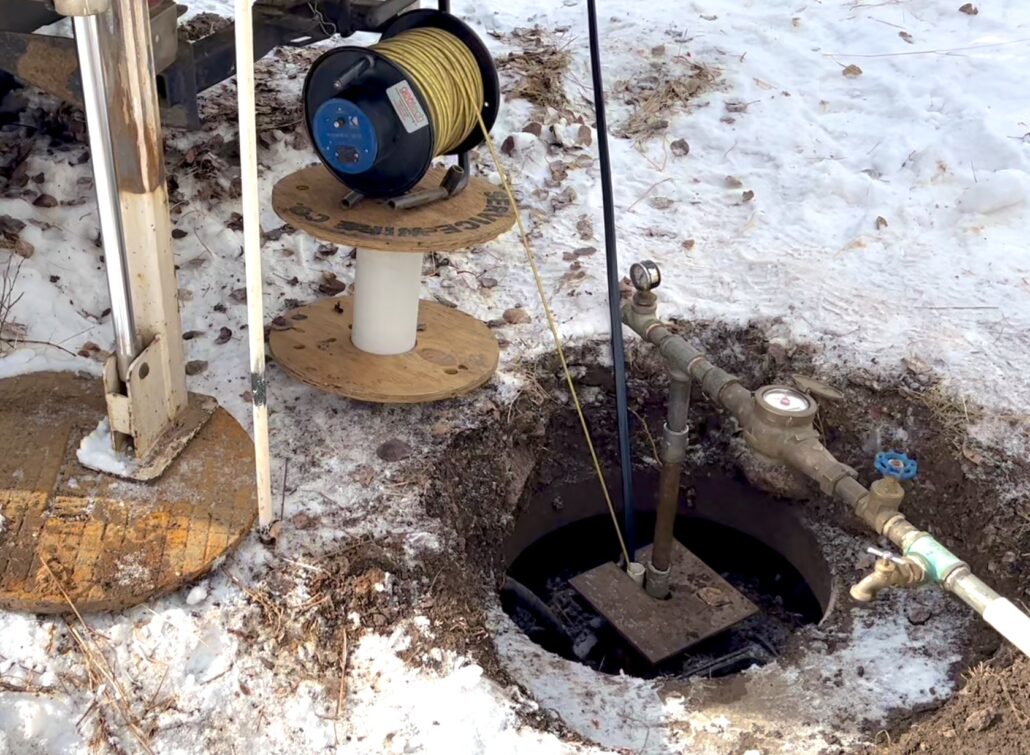 Water Well – You should request a well report, which gives the details on the depth of the well, the flow rate of the well, and the quality of the water. It may be wise to contact the company that put the well in place to come inspect the well and have a water test done. Many homes that have a well will have a very large holding tank or cistern. The float in the tank will “request” more water from the well pump at the bottom of the well when needed. The tank will keep stored water available for spikes in usage that may exceed the flow directly from the well. There will also typically be a water purification system in place to eliminate any bacteria or minerals in the water. The seller should have service records, and recommended that these systems inspected and/or reports reviewed.
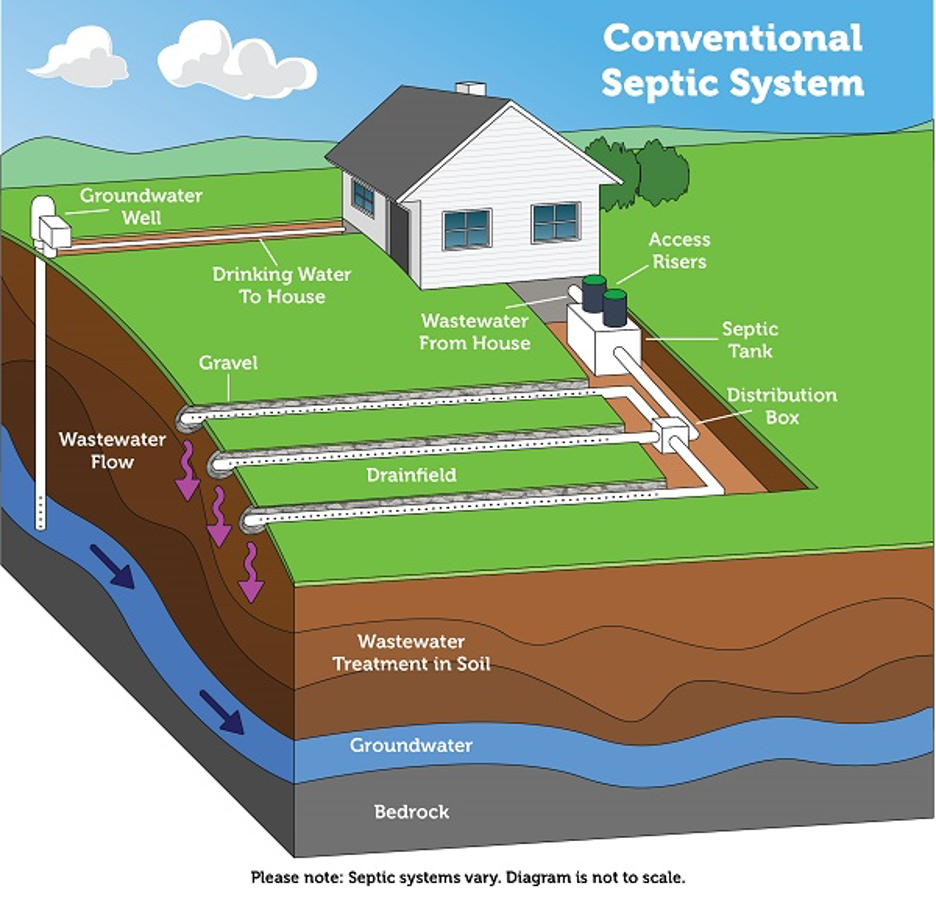
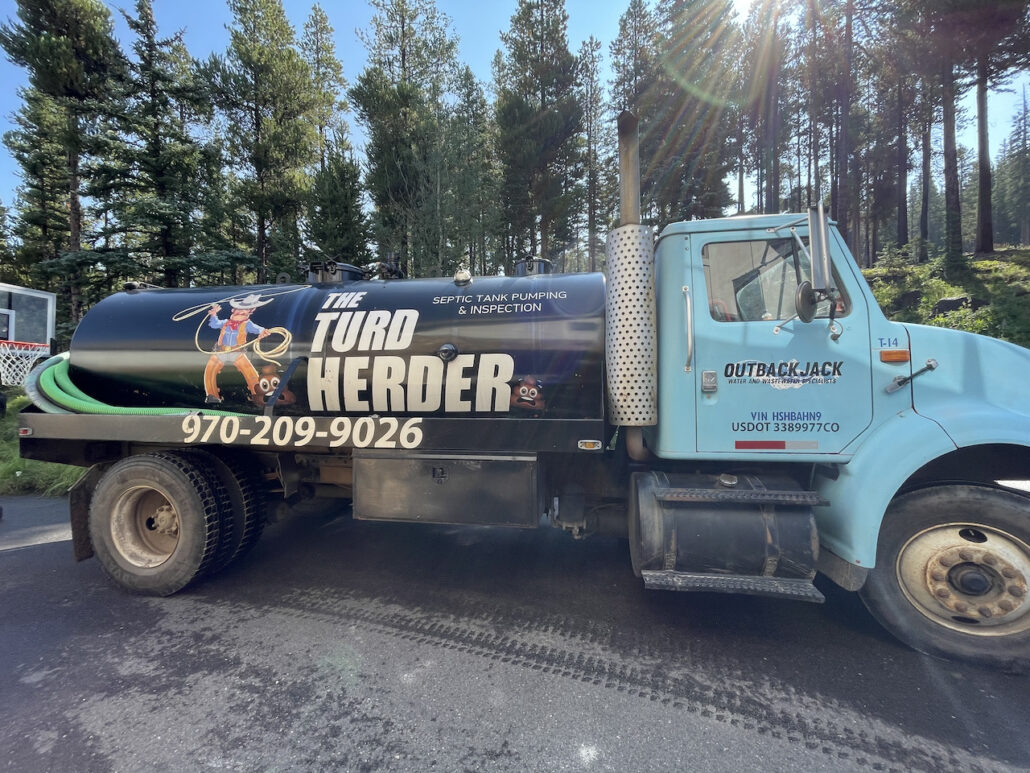 Septic System – The stand-alone septic system treats the wastewater of the home. When you take a shower, flush the toilet or put anything down the kitchen sink, it will go into the septic system. With proper maintenance, a septic system can work efficiently and should last twenty-five to thirty years. you should contact a septic system company to provide a separate inspection report. It is common for the system to be pumped every two years, but for a second home that gets less use, this interval may be longer.
In Gunnison County the Septic System MUST be inspected and a certified On-Site Wastewater Treatment System (OWTS) permit must be issued by the county to transfer title.
“Prior to the sale or transfer of title of the property, the owners of the property (Seller) shall obtain a complete Transfer of Title Acceptance Document from the Department, unless exempt or waived as noted by these Regulations.”
https://www.gunnisoncounty.org/406/OWTS-Permits
Propane Gas System – Most remote homes will have a large propane tank that is buried. Many times the tank is leased or owned by the company that installed it and delivers the propane to fill up the tank. The propane in the tank is “personal property” of the seller and typically on larger transactions this is not a negotiated item – the seller includes the propane gas with the sale of the home. The buyer generally requests information and records from the seller regarding the propane service provider, annual expenses, as well as info on the propane tank location, capacity, shut-off valve location…etc.

Special Inspection Considerations for Land Purchases
Avoid Inspection Mistakes Crested Butte Homes when purchasing raw land there are some additional considerations… In addition to a survey or ILC you should consider getting a soil test.
Soil Test – So why do people need / want a soil test?
If you are building a new home – or you are adding on to an existing home.
“Well you need soil tests for multiple reasons. First and foremost, the soil test gives you is that we will be able to provide recommendations to the rest of the design team as far as the soil structure interaction. So things like bearing capacity, what we call lateral earth pressure. That’s how much force the soil has against the house. Those sorts of things that the designers need in order to design the structure appropriately.”
– Darin R. Duran, P.E., Salida & Crested Butte Office Manager/Senior Principal, CMT Technical Services (formerly Cesare, Inc.)
See: Interview Darin Duran Geotech Engineer / Principal Cesare Inc
Typical Language in an Inspection Report:
“The estimated useful life for most forced air furnaces (boilers, is 15 to 20 years. The inspector was unable to determine the age of the furnace. The clients should be aware that this furnace may be near, at, or beyond its useful life and may need replacing at any time. Recommend attempting to determine the furnace’s age (ask property owner or service technician), and budgeting for a replacement if necessary.”
“One or more kitchen appliances appear to be near, at, or beyond their intended service life of 10 to 15 years. Recommend budgeting for replacements as necessary.”
“Seals between double-pane glass in one or more windows appear to may have failed based on condensation or stains between the panes of glass. A qualified contractor could evaluate and possibly replace glass if necessary.”
“It is recommended that qualified contractors be used in your further inspection or repair issues as it relates to the comments in this inspection report.”
Inspection Objection
There is no such thing as a home that has zero issues… I often say it is like an attorney that reviews a legal document, and inspector will find things that are issues. Generally these issues are small – but if they are big, then both parties need to determine how to move forward. This is an important part of the process and an area I help clients and the reason I wrote this article: Avoid Inspection Mistakes crestedButte Homes.
The inspection objection happens after the inspection when buying or selling your Crested Butte home. It is a buyer’s option to ask the seller to fix or pay for any “issues”. The buyer should not expect the seller to repair or replace every issue found on the inspection report.
The seller can agree, disagree, or counter somewhere in the middle.
It is best to separate the issues into two categories, minor and major. Then determine whether the effort and cost associated with the fix is relatively small/easy or big/hard, given the agreed upon price of the home.
“Unless there are major issues – it is customary
for the inspection items be reduced to a dollar amount.”
It can be hard to get contractors to do estimates and/or do repairs in a timely manner. It is typical to reduce the items to a reasonable dollar amount and negotiate and settle on a number. This can be resolved with a seller concession to be paid at closing, or a reduction in the purchase price. This way the buyer gets control of fixing the issue after closing. If there is a lender involved, this can sometimes be problematic because the lender may not agree to a seller concession if it affects their loan-to-value ratio. In that case, it may be best to agree to have the seller fix the issue, or reduce the purchase price.
Seller Beware – If the seller agrees to fix any items, the buyer may not be satisfied with the work that was done. The buyer could come back, nitpick, and ask for something to be re-done or additional work to be done. A precautionary solution that may avoid problems is to agree to hire an agreed upon scope of work and a preferred contractor.
Sellers and buyers should both pick their battles carefully.
Seller Property Disclosure
When the seller and the listing agent are made aware of any major issues, they are ethically and legally bound to disclose known adverse conditions of the home.
If Buyer #1 terminates the contract the seller will have two options. Either fixing these issues or adding them to the Seller Property Disclosure. If the seller does not want to spend the money for the repairs, they will likely have to reduce the price of the home to reflect the work needed. Buyer #2 who comes along next will either be scared away, or also ask the seller fix the same issues. Factor in the holding costs of delaying the sale of the home, there is an incentive for the seller to work out a solution on the major issues with Buyer #1.
Who Pays for the Inspection?
The inspection, well test, soil test, survey… are all part of the buyer’s due diligence. Some sellers may have some of this documentation that will help the buyer have peace of mind – and I recommend sellers consider getting this information to make it an easy process for the buyer, as well to help shorten the inspection timeframe.
The buyer hires the inspector to work for them, and so the buyer pays for the inspection. A typical home inspection will cost around $850 – $2,500, depending on the size of the home. Real estate agents are not permitted to hire an inspector for the buyer. However, they can provide a list of recommended inspectors.
I hope this article – Avoid Inspection Mistakes Crested Butte Homes has been informative. The level of details is representative of what you can expect from me as your real estate agent.
How can I help you with Your Crested Butte Real Estate Needs?

If you considering selling your Crested Butte home and are interested in finding out what your existing property is worth – call me.
The Crested Butte area offers a wide variety of properties including ski-in/ski-out single-family homes, ski-in/ski-out condominiums, lake, and river frontage properties, historic downtown homes, golf course property, and true fine mountain homes on acreage. To see featured properties or search the MLS – visit www.ChrisKopf.com.
How is the Crested Butte Real Estate Market doing? Click this link to see my monthly Crested Butte Real Estate Market Reports I appreciate the opportunity to earn your business and be your Crested Butte Real Estate Agent.
Thanks!
 Chris.
Chris Kopf
Global Luxury Property Specialist
Coldwell Banker Mountain Properties
email: Chris.Kopf@CBMP.com
mobile phone: (970) 209-5405
www.ChrisKopf.com
Avoid Inspection Mistakes Crested Butte Homes author: Chris Kopf