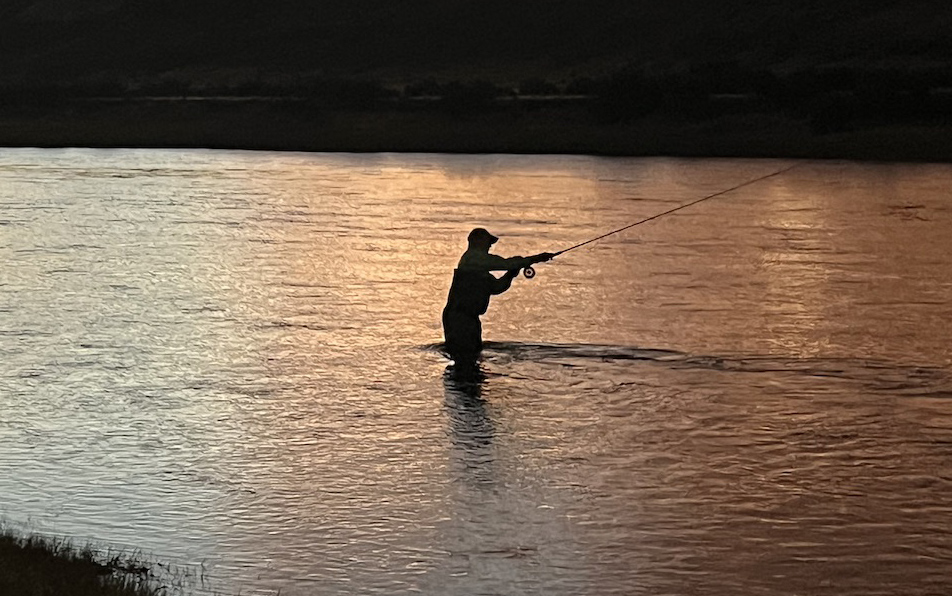
 Chasing Sea-Run Brown Trout in Patagonia — My Fly Fishing Adventure to Las Buitreras, Argentina from Crested Butte, Colorado
Chasing Sea-Run Brown Trout in Patagonia — My Fly Fishing Adventure to Las Buitreras, Argentina. For those of us lucky enough to call Crested Butte our home or our second home, we’re no strangers to adventure. But every now and then, an opportunity comes along that takes adventure to an entirely new level.
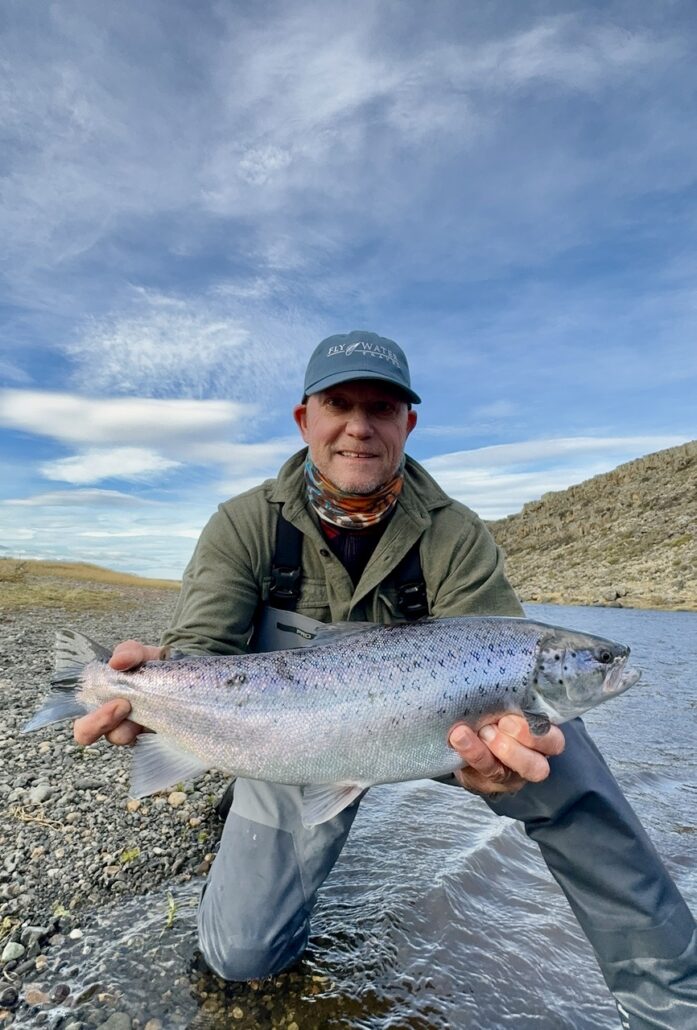
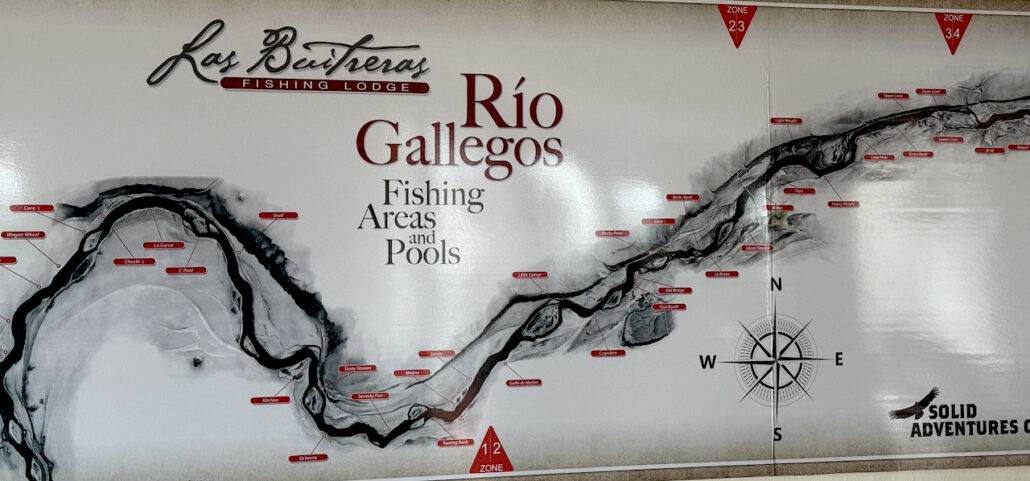
Recently, I had the chance to travel with a group of great friends from Crested Butte to the windswept plains of Patagonia. We were near the very southern tip of Argentina — and we were there to chase sea-run brown trout on the famed Rio Gallegos River. Our destination was the Las Buitreras Lodge – a first-class fly fishing operation. It was a bucket list trip that combined a world-class fly fishing destination with a great group of friends, a top-notch outfitter, stunning scenery, and a healthy dose of humility trying to master casting a 12-foot two-handed Spey rod to migrating anadromous fish that are easily spooked.
Getting There — Half the Adventure
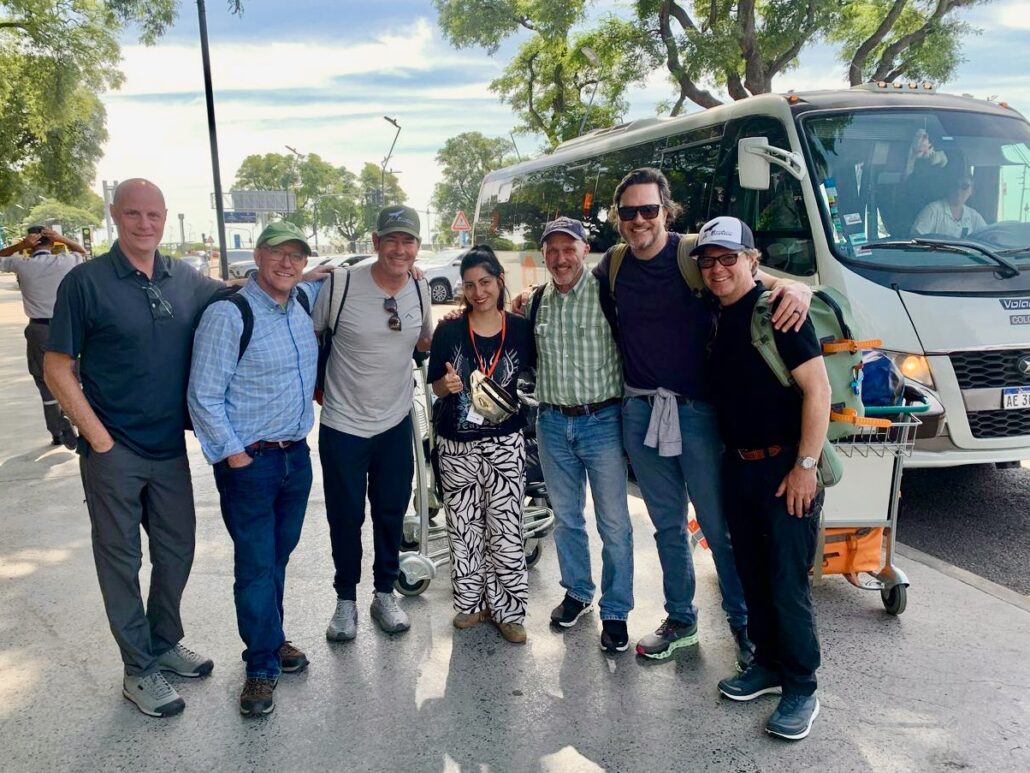
My trip started with a flight to the Dallas/Fort Worth airport to meet up with the rest of our crew. From there, it was a long overnight flight to Buenos Aires — a city brimming with energy, culture, and, of course, steak.
We spent about 5 hours in Buenos Aires with a local guide, exploring the historic neighborhoods, the pink house (where the President of Argentina works), and traversing the large city before catching our next flight south to El Calafate — the gateway to Patagonia. The town of El Calafate reminded me a little of Crested Butte — although it was much larger it had a cute downtown, outdoor type shops, and surrounded by vast landscapes and friendly people.
We spent the night in El Calafate, and the next afternoon we picked-up other anglers at the airport who arrived from Canada and Sweden. We loaded up in a van and drove about four hours to the Las Buitreras Lodge — perched along a 25-mile stretch of private water on the Rio Gallegos River.
The Fishing — Long Days, Big Rewards
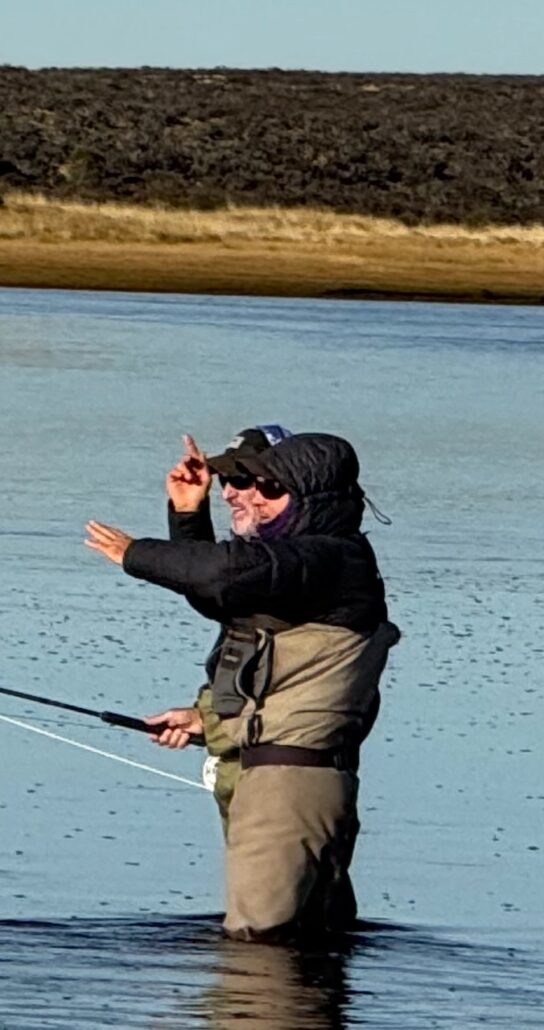 For six days, our schedule was simple, but demanding — breakfast at 7:30am, our guides would arrive at the Lodge at at 8:30am (two anglers per guide) to drive to one of the six 4 mile beats of the river. We would drive then walk to fish specific pools known to hold sea trout. At approximately 12:30pm we would return to the lodge for a hearty lunch (think dinner-sized portions), then a quick siesta before the guides would return to pick us up again at 3:30pm to head back out for our afternoon and evening session until dark – usually around 8:30pm.
The river fishes best when the water is clear – the guides like it when it is “tea color”.
The river profile is wide and fairly shallow – with a 6-10 foot deep channel that meanders through the river. We would drive to certain spots where the fish would hold on their spawning journey up river. We were always fishing to the channel from a long way away so as not to spook the fish.
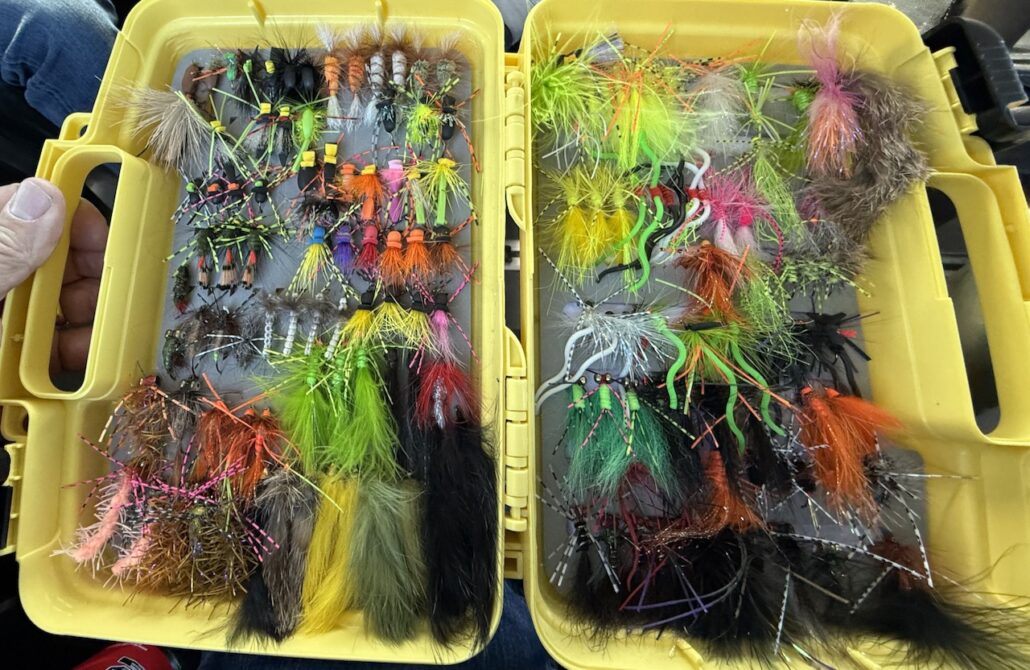
The goal is to cast at a 45 degree angle into or beyond the channel and allow the fly (mostly colorful streamers) to swing into the channel with a nice presentation as you strip line slowly.
Fishing for Sea Trout on the Rio Gallegos is a technical endeavor, casting a long way to wary fish, and often in relentless winds.
We also caught many brown trout that do not go out into the ocean – but live their whole life in the river. These are just like the brown trout we catch in the rivers and streams in the Crested Butte area. The majority of these brown trout were much bigger and beautiful fish, but because the mission was the sea trout, these fish got little respect from the guides.
Casting a Spey Rod
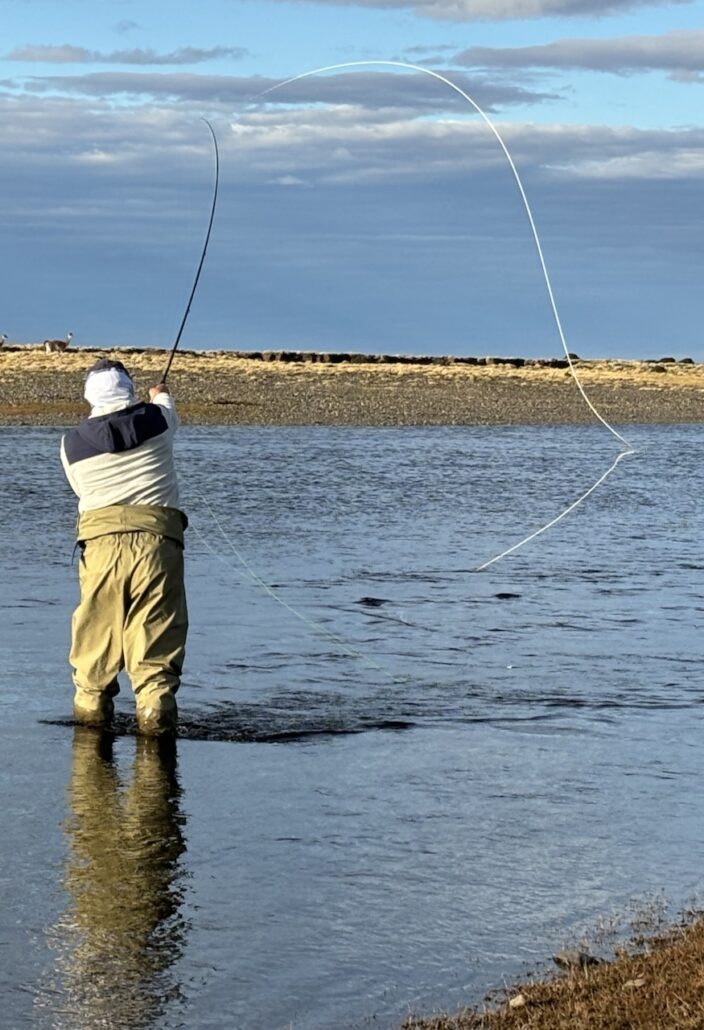 Casting a spey rod was a new experience for me. We used their gear and they were high quality Solid brand rods and reels. The benefit of the spey rod is you can cast a lot of line a far distance in the wind effortlessly. At least that is the goal. It is not that easy.
It is a two handed roll cast and there are books written on the variety of ways you can cast the line. The basic premise is you have a lot of line laying on the water, and you need to create a “D” loop with the line, anchoring the line on the water, and snap the bottom hand into your chest creating force to the rest of the rod to send the line. Done properly by the guide it looks like a cross between a conductor of the symphony and the smooth swing of Fred Couples hitting a golf ball.
I like to think I am a pretty good fly fisherman and have some skills casting…. but as stated earlier I was humbled by my inability to master this cast consistently. As soon as I thought I knew what I was doing, and attempted to re-cast again with more line, my cast would go nowhere… many times I thought, I could cast further as a 7-year old kid with a small Scooby-Do four foot rod and Zebco reel…
This was a common exchange after the guide would take us to a great spot on the river, point out to a section of the water and he would say: “do you see the nervous water out there… cast at 45 degrees…”
Uncertain exactly where – I would point to a rock or bush on the other side of the river and I would ask: “Okay, how far do I need to cast?”
Without hesitation the guide would reply — “As far as possible…”
I’d send my best cast with the 12-foot Spey rod, feeling pretty good about it — until I’d hear — “Oh no my friend…, 2 meters more to get into the channel…”
Of course, my next question was obvious — “Can I move out into the river 2 meters more?”
The response was classic — “no no no… don’t move out into the river, you will spook the fish.”
I chuckled to myself thinking I traveled over 6,000 miles to be standing in this river and I am still 2 meters short of where I need to be to get to the fish! 🙂
I was not the only one who struggled with the technique of the cast, which made me feel better, but I also realized that my chances of catching fish were directly correlated to me getting my fly properly presented to the large sea-run brown trout lurking out there in the channel.
Not to make this even more difficult, but when the wind and current were both coming from right to left – then the guide would say: “okay, my friend here – you must cast left-handed”. At first I just laughed and looked at the guide who was not laughing… I handed him the rod, and of course he demonstrated the perfect left handed cast that sent the line and fly 40 yards, then he handed the rod back to me.
And so it went — swing, cast, step downstream, repeat — battling the wind, adjusting to the current, and hoping for that grab from a powerful sea-run brown trout that had made its way in from the Atlantic.
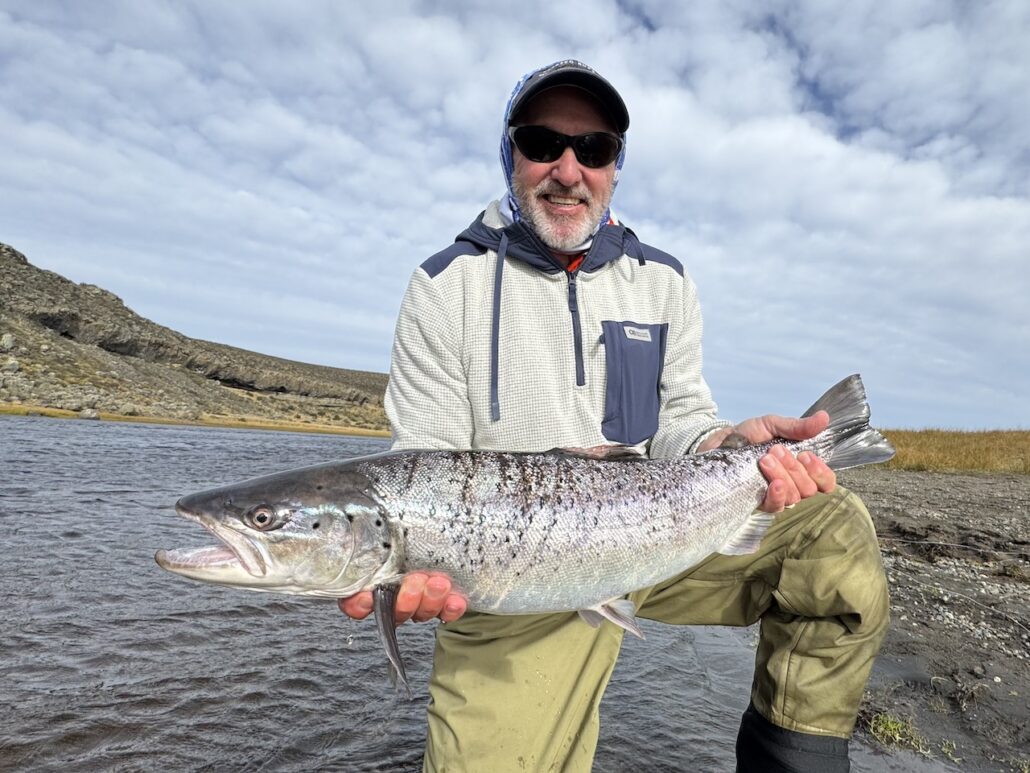
The Heart-Pounding Thrill of Hooking a Sea-Run Brown Trout in Patagonia
It often felt like a hundred casts between fish — cast after cast, step after step — working the water with quiet focus and hopeful anticipation. Every swing of the fly through the current carried that electric possibility: Is this the one?
And then — it happens.
The take of a sea-run brown trout is sudden and powerful — sometimes a sharp grab, sometimes a subtle weight — but always enough to jolt your senses into overdrive. The guides were clear on the response: either a firm clench of the line or a slight strip-set to drive the hook home — followed quickly by lifting the rod and holding on for the ride.
One of the early challenges was the chaos of managing the excess line I had stripped in during the swing. Getting that loose line back onto the reel — quickly — while a very large and very angry trout is cartwheeling across the river is easier said than done.
These fish are strong. These fish are wild. And they do not give up easily.
Big silver flashes would erupt from the water as the trout jumped, thrashed, and ran downstream — the beauty of these fish in the clear Patagonian water was simply spectacular.
Our guides were masters at reading both the fish and the angler — calmly coaching us through the battle. The key was patience — wearing the fish down, applying side pressure, and waiting for the right moment to guide them toward the net.
And when that fish finally slid into the guide’s waiting net — the surge of adrenaline, relief, and pure exhilaration was unforgettable. High-fives, hoots, and laughter would follow — the kind of moment you never forget.
Wild Patagonia: Wildlife Along the Rio Gallegos
Las Buitreras Lodge sits on a large ranch – or estancia of approximately 3,500 acres. The Rio Gallegos river runs through the ranch and the adjacent ranch that gave us access to over 24 miles of river. The landscape was similar to vast stretches of the sage brush plains near Gunnison and the Blue Mesa reservoir – but flatter and it stretches for miles in every direction — wide open, windswept, and home to an incredible variety of wildlife
As we walked the riverbanks and drove between fishing beats, we saw lots of wildlife along the Rio Gallegos: Andean Condor, Guanaco (the wild cousin of the llama), fox, rhea (a flightless bird similar to an ostrich), we regularly saw geese, and black-necked swans, a rare flamingo, hawks, eagles, rabbits, and strange looking armadillos.
Evenings at the Lodge
After long days on the water, we’d return to the lodge for drinks, tapas, and the inevitable swapping of fish stories.
Of course, we all lost our share of big fish. It comes with the territory. But every lost fish added to the storytelling — where tales of “the one that got away” grew just a little bigger with every retelling…
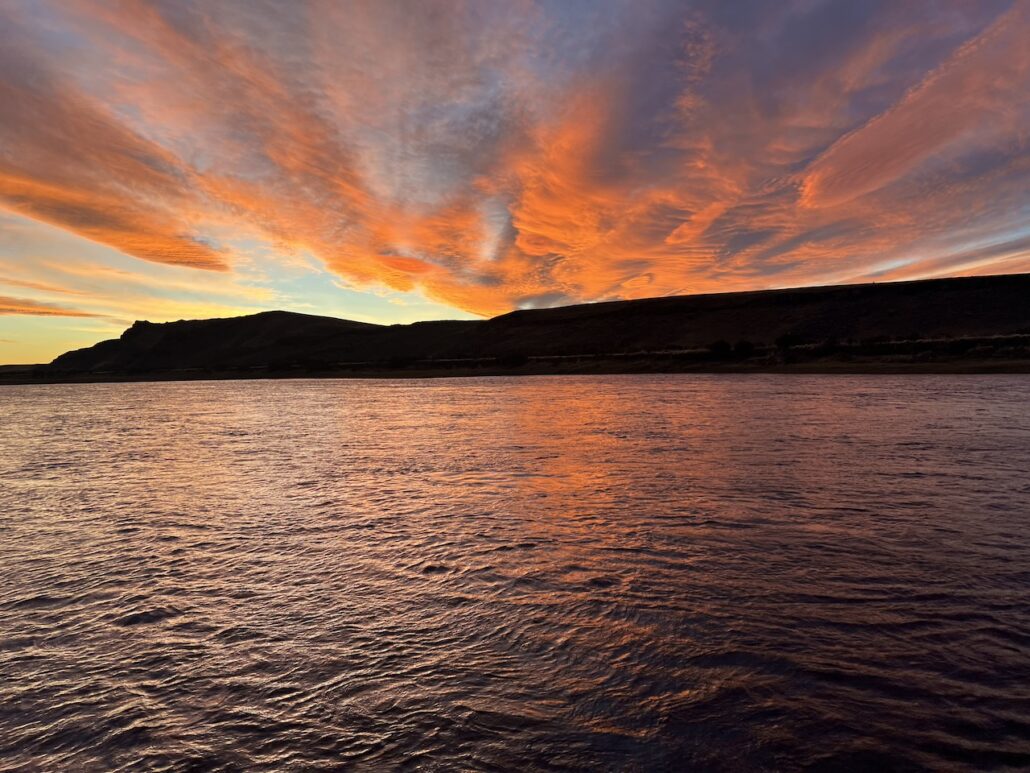
The days were long — and honestly, exhausting — but incredibly rewarding. The landscape of Patagonia is stark and beautiful. Wide open skies, endless wind-swept plains, abundant wildlife, and the occasional condor soaring overhead.
We would usually call it a night around 9:30pm — tired, sore, grateful for the day’s adventure, and the excitement and anticipation of the next day’s pursuit.
Final Thoughts – Chasing Sea-Run Brown Trout in Patagonia
There’s something about travel and adventure that reminds me of why so many of us love living in Crested Butte. Whether it’s skiing, hiking, mountain bike or fly fishing — the exploration of beautiful wild places and adventurous experiences is what fuels us on our journey. The lifetime of memories we get to create with friends, family, and clients is the reward.
This trip to Patagonia was a reminder that adventure is always worth the effort — even if you need to cast 2 meters farther than you think you can.
More Info:
Las Buitreras Lodge and fly fishing the Rio Gallegos
Fly Water Travel – Las Buitreras Lodge
How is the Crested Butte Real Estate Market doing?
The Crested Butte Real Estate Market is very active. Get Your Monthly Crested Butte Real Estate Market Reports.

Whether you are a current Second Homeowner or You are Considering Buying Real Estate in Crested Butte – this detailed Monthly Market Report will save you Time and Help YOU make informed decisions.
Get Your Crested Butte Real Estate Market Report Now!

I appreciate the opportunity to earn your business and be your Crested Butte Real Estate Agent.
Contact me at:
Chris Kopf
Global Luxury Property Specialist
Coldwell Banker Mountain Properties
Chris.Kopf@CBMP.com
(970) 209-5405
ChrisKopfCB.com